
The Cost of a Public Name
The Dark HalfThe revelation of Stark’s identity creates publicity, resentment, and danger, showing how a public narrative can reshape private lives.
increasing Bearing strength in each event
 decreasing
Bearing strength in each eventdecreasingA Secret Exposed
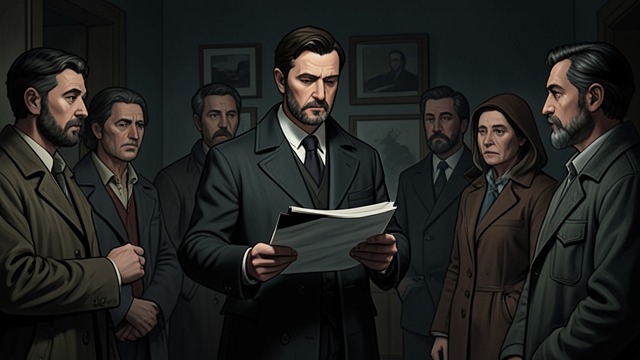
A Secret Exposed
Choosing disclosure
Thad and his representatives decide to reveal that George Stark is a pseudonym. The decision prevents a future blackmail attempt from controlling the story.
A public identity replaces a private one
The revelation turns an internal creative arrangement into a nationally circulated fact. Thad loses the protection of anonymity even as he takes control of the announcement.
The Photographer’s Frame
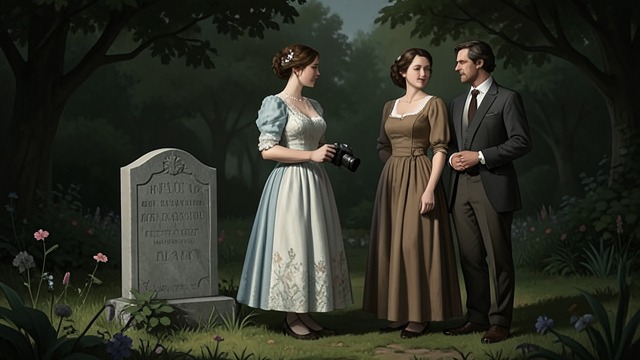
The Photographer’s Frame
Images staged for readers
Phyllis Myers arranges the Beaumonts beside the false gravestone and photographs the couple in carefully composed scenes. The pictures make the story visually simple.
Image outruns truth
The grave looks real enough to persuade a reader, although it is a prop. The novel uses the photograph to show how public images can acquire meanings their subjects did not intend.
Clawson’s Exclusion
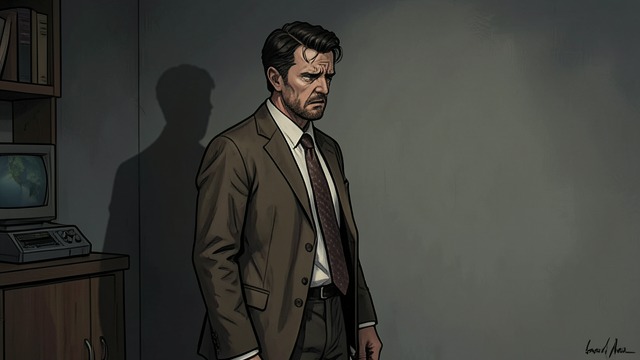
Clawson’s Exclusion
The discoverer left out
Clawson believes his investigation deserves public credit and financial reward. Thad and Liz disclose the secret without making him central to the story.
Resentment becomes motive
Clawson’s grievance is real even though his methods are coercive. His exclusion creates a personal conflict that Stark later turns into violence.
The Public Reacts
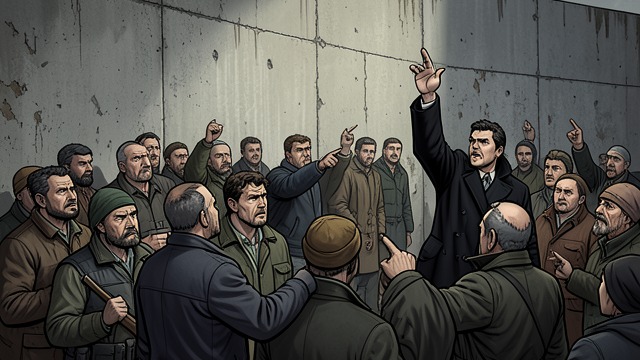
The Public Reacts
Readers respond to Stark
Fans write letters protesting the end of the crime novels. Some treat Stark as a real author whose disappearance is an injustice.
Fictional attachment becomes leverage
The audience’s investment strengthens the impression that Stark belongs to the public. The same attachment gives a potential imitator or the real entity a social world to exploit.
Publicity Turns Deadly
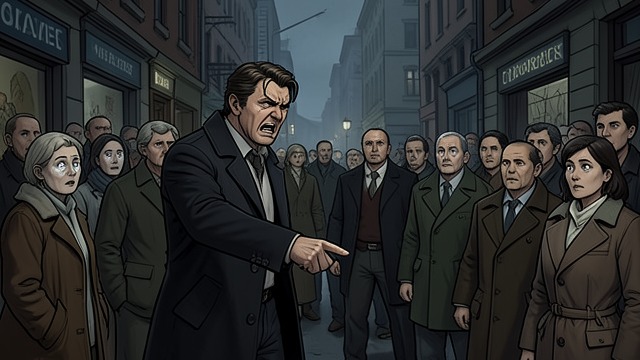
Publicity Turns Deadly
Names become a list
Stark attacks the people tied to discovering, reporting, and photographing the secret. A media story becomes the structure of his revenge.
The story cannot be recalled
Thad’s disclosure has already circulated too widely to retract. The attempt to control the public narrative cannot protect those named by it.
Spring 1988, when Thad contacts the press
Spring 1988, during the People magazine shoot
Spring 1988, after the story reaches the press
After the profile appears in May 1988
June 1988, as Stark targets the profile’s participants
